
The Missouri Department of Health and Senior Services is urging everyone to prepare for summer heat by staying cool, staying hydrated and staying informed.
The heat and humidity of Missouri can affect everyone, but can be especially dangerous to small children, the elderly and the chronically ill. Each year many Missourians suffer from heat related illnesses, some of which can result in death.
Who are most at-risk for heat stroke:
The elderly and chronically ill are often more vulnerable to heat and humidity because they perspire less and are more likely to be taking medications that can impair the body’s response to heat.
Some steps you can take to stay cool during the summer season:
- Wear lightweight—light-colored and loose-fitting clothing.
- Stay Cool Indoors—stay in air-conditioned places as much as possible. Local cooling centers can be found on our website at https://ogi.oa.mo.gov/DHSS/coolingCenter/index.html
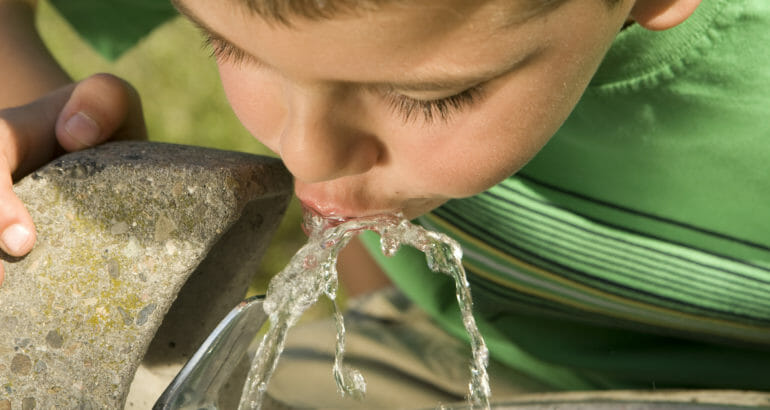
- Stay Hydrated—drink plenty of fluids regardless of your activity level and don’t wait until you are thirsty. Avoid sugary and alcoholic beverages, these actually cause you to lose body fluids.
- Schedule Outdoor Activities Carefully—try to plan outdoor activity for morning or evening hours when the temperature is coolest.
- Pace yourself—reduce exercise or physical activity during the hottest part of the day and take frequent breaks in the shade or in an air-conditioned place.
- Wear Sunscreen—sunburn affects your body’s ability to cool down and can make you dehydrated.
- Prepare your Home—change air conditioner filters, cover windows that receive morning or afternoon sun with drapes or shades, and make sure you have portable fans if necessary.
Knowing the signs and symptoms of heat related illness and how treat them is also important.
Developing muscle cramping may be the first indication that you are developing a heat related illness. Knowing the signs and symptoms of heat exhaustion and heat stroke could save your life or that of a loved one.
Signs of heat exhaustion:
- muscle cramp
- heavy sweating
- cold, pale and clammy skin
- dizziness
- headache
- nausea or vomiting
- fainting or passing out
If you think you or a loved one are experiencing heat exhaustion you should stop physical activity; move to a cool place—preferably air-conditioned—loosen clothing; and sip cool water. Seek medical attention immediately if you are throwing up, your symptoms get worse or symptoms last longer than one hour.
Signs of heat stroke may include high body temperature (103°F or higher); hot, red, dry or damp skin; fast, strong pulse; headache; dizziness; nausea; confusion; or loss of consciousness.
If you think you or a loved one are experiencing heat stroke you should call 911 immediately. Heat stroke is a medical emergency. Move the person to a cool place—preferably air-conditioned. Help lower the person’s body temperature with cool cloths or a cool bath until medical personnel arrive. Do not give the person anything to drink.
Call the state’s toll-free abuse and neglect hotline at 1-800-392-0210 to report any elderly or adults with disabilities suffering from the heat and needing assistance.